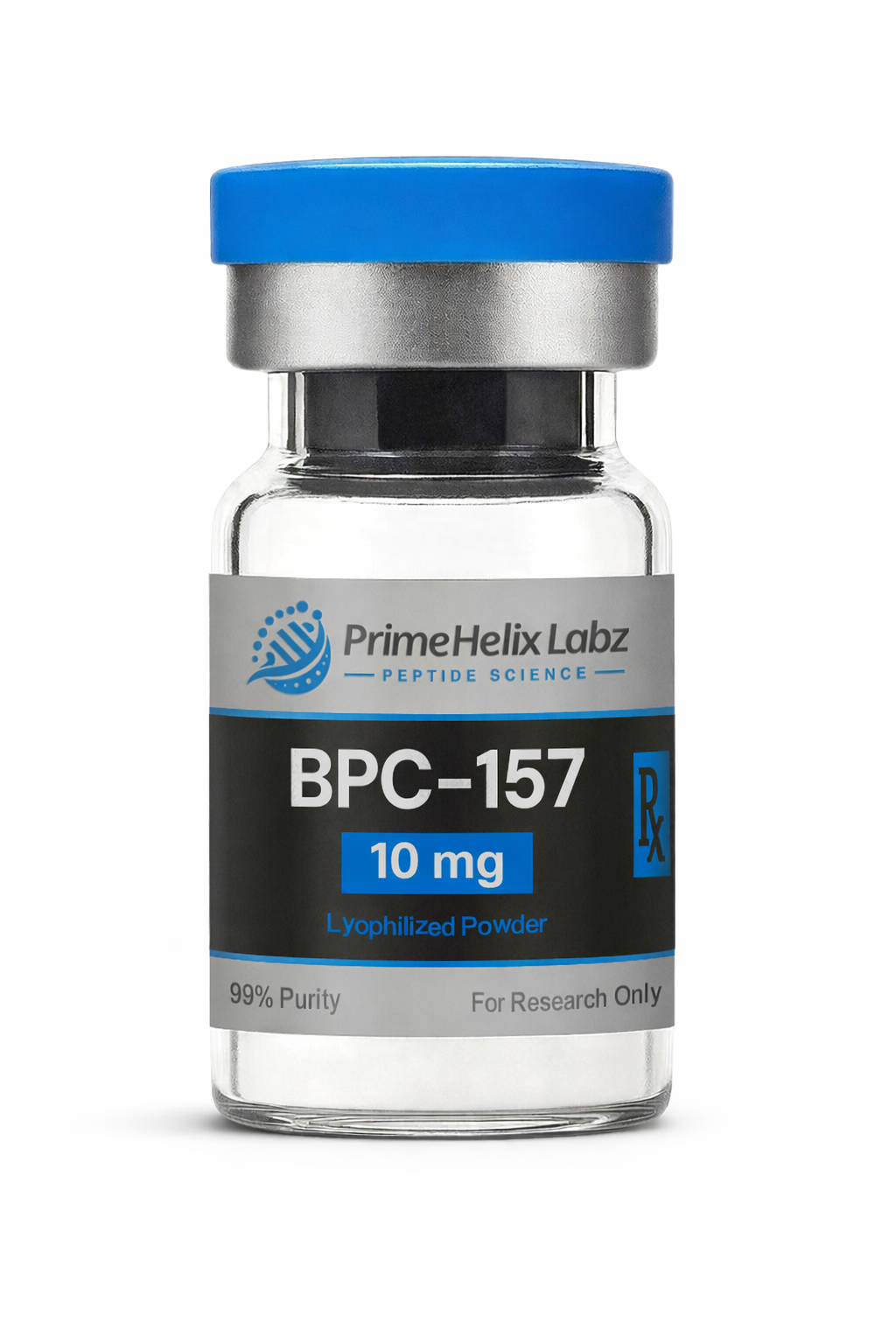
BPC‑157 — Research Peptide Overview
BPC‑157 is a synthetic pentadecapeptide (15‑amino‑acid sequence) derived from a naturally occurring protein found in gastric juice. In laboratory settings, it is widely examined for its role in cellular signaling, cytoprotective pathways, and structure–function interactions within controlled research environments. Its stability and compatibility with various experimental models make it a frequent subject in biochemical and molecular studies.
Research Interest Areas
Researchers commonly explore BPC‑157 in studies involving:
- Cellular regulatory pathways — including investigations into peptide‑mediated signaling cascades.
- Cytoprotective mechanisms — examining how peptides interact with cells under stress conditions.
- Angiogenic and growth‑related models — used to observe peptide behavior in environments involving tissue remodeling.
- Gastrointestinal peptide interactions — due to its origin from a gastric protein fragment.
- Peptide stability and receptor interactions — assessing how BPC‑157 behaves in various in‑vitro systems.
These research themes focus on understanding how small peptides influence cellular communication and biochemical responses.
General Characteristics
- Peptide Type: Synthetic pentadecapeptide
- Sequence: Gly‑Glu‑Pro‑Pro‑Pro‑Gly‑Lys‑Pro‑Ala‑Asp‑Asp‑Ala‑Gly‑Leu‑Val
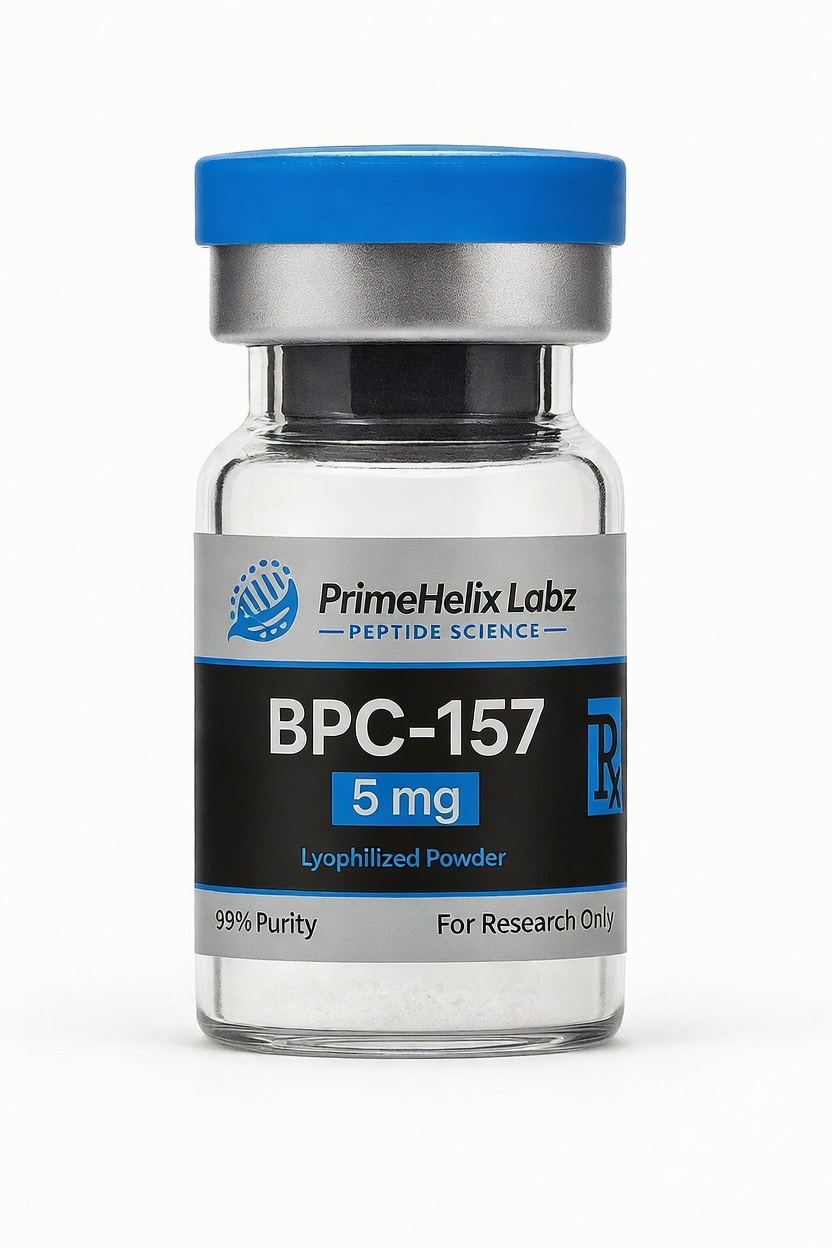
- Form: Lyophilized powder for laboratory research
- Solubility: Typically reconstituted in sterile, research‑grade solvents
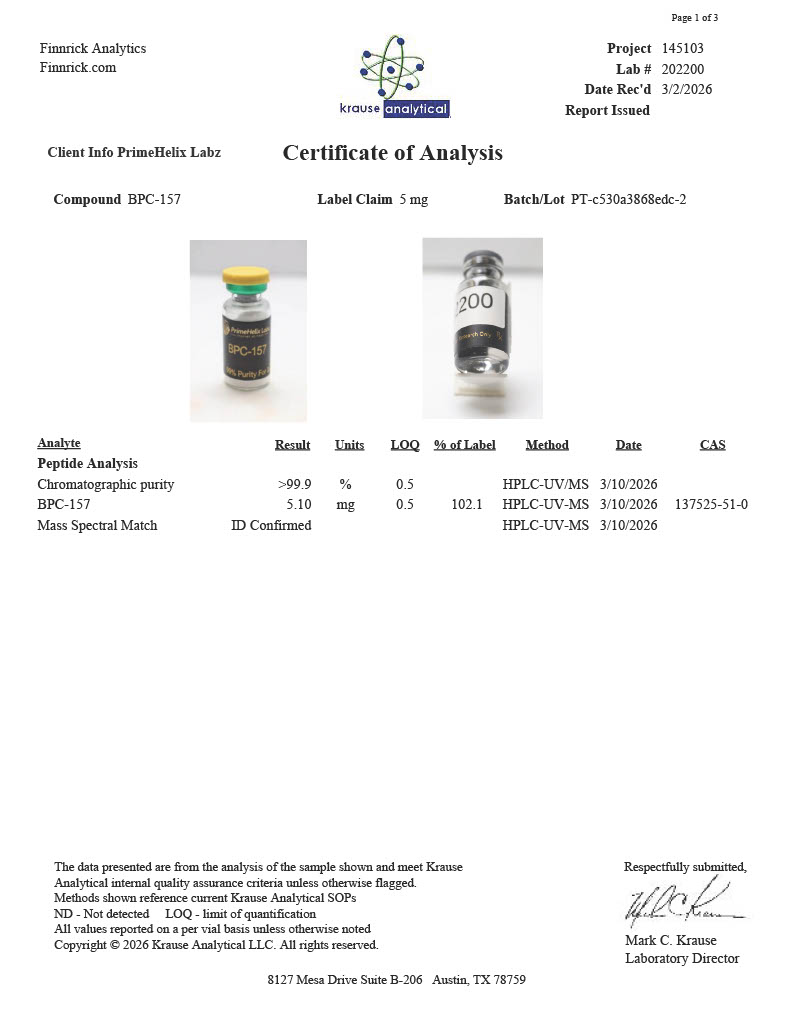
- Purity: Commonly provided at high purity suitable for controlled experimental use
Storage & Handling
- Store in a cool, dry environment, protected from light
- Keep vials sealed until use
- Handle using standard laboratory safety procedures
- Reconstituted solutions should be used promptly in accordance with research protocols