
Research Peptides
5-Amino-1MQ 50mg
99.59$50.00View Details
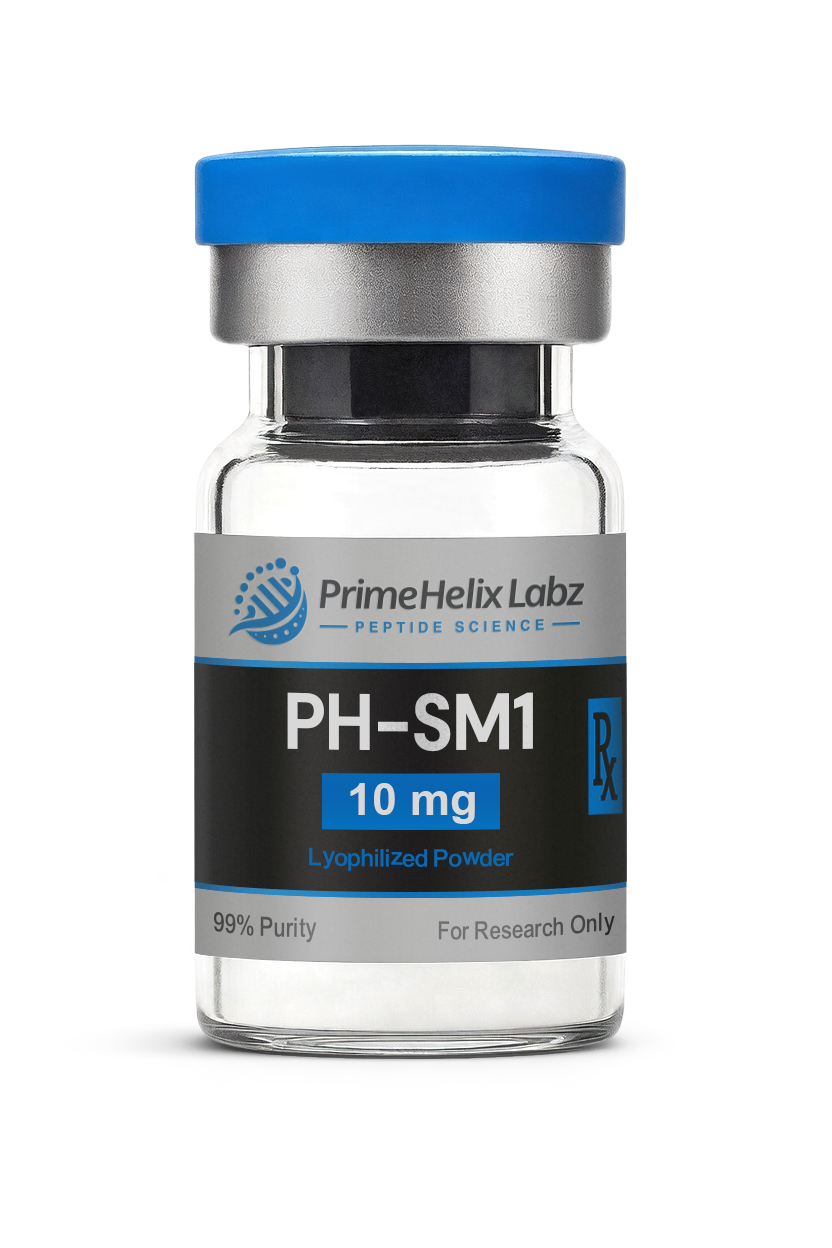
PH-SM1 is a synthetic GLP‑1 receptor agonist widely used in research examining metabolic signaling, glucose regulation, and incretin‑based peptide mechanisms. Because of its structural stability and long half‑life, PH-SM1 is frequently selected as a model compound for studying peptide analog design, receptor specificity, and metabolic pathway modulation.
PH-SM1 is commonly investigated in laboratory settings focused on:
Its prolonged half‑life and receptor selectivity make it a valuable tool for studying sustained incretin‑based signaling.
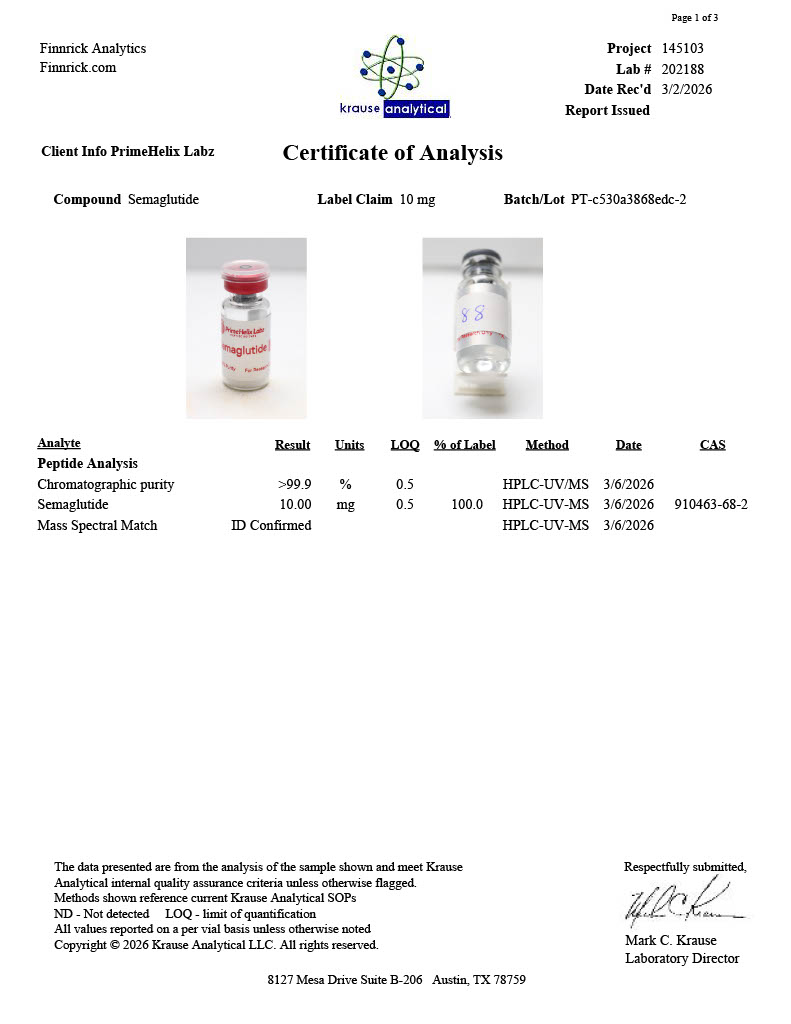
Certificate of Analysis (COA) images are provided for this product.
From verified buyers of PH-SM1 10mg
No reviews yet. Verified buyers can be the first to share their experience.