
Research Peptides
5-Amino-1MQ 50mg
99.59$50.00View Details
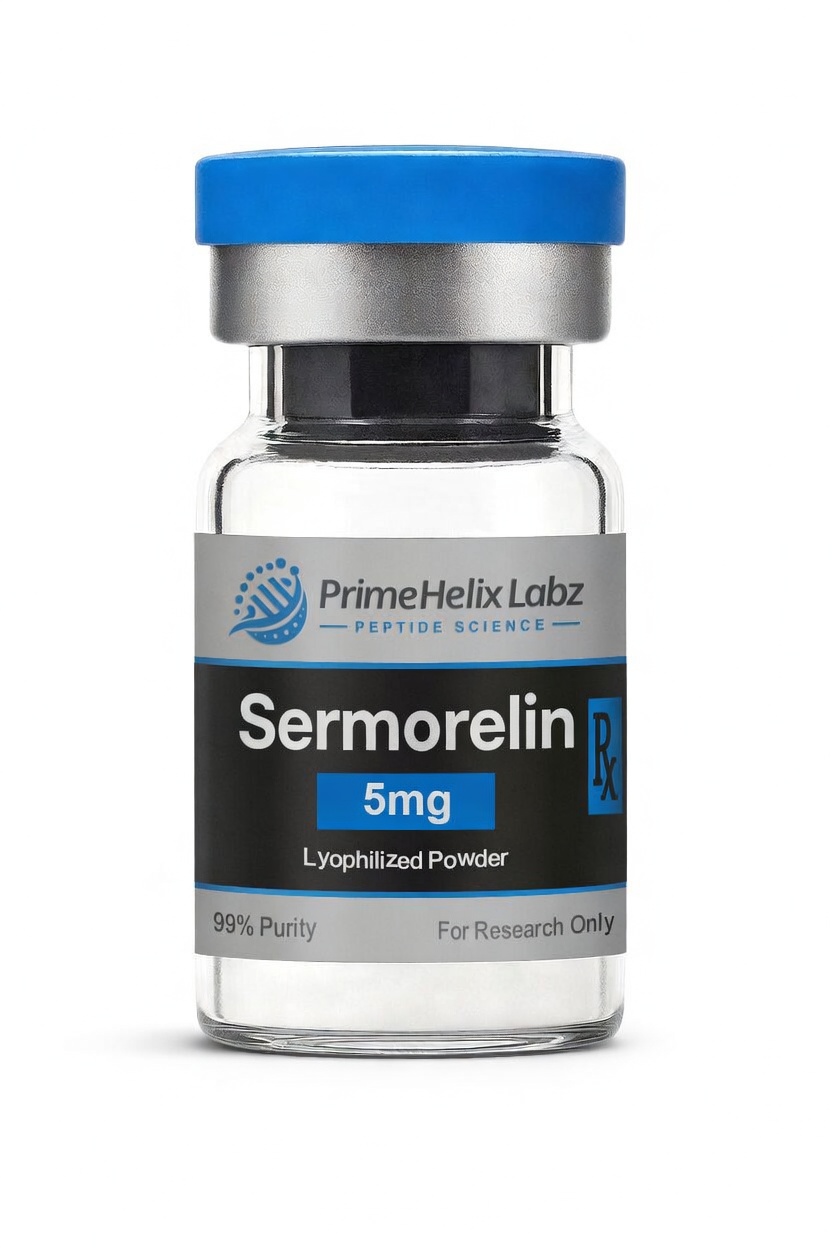
Sermorelin is a synthetic growth hormone–releasing hormone (GHRH) analog consisting of the first 29 amino acids of endogenous GHRH. It is widely used in laboratory settings to study pituitary signaling, receptor‑mediated hormone pathways, and peptide–receptor interactions. Because it represents the biologically active region of native GHRH, Sermorelin is a common model for examining truncated peptide analogs and their functional behavior.
Sermorelin is frequently examined in research focused on:
Its selective receptor activity and well‑characterized structure make it a useful tool for controlled endocrine and biochemical research environments.
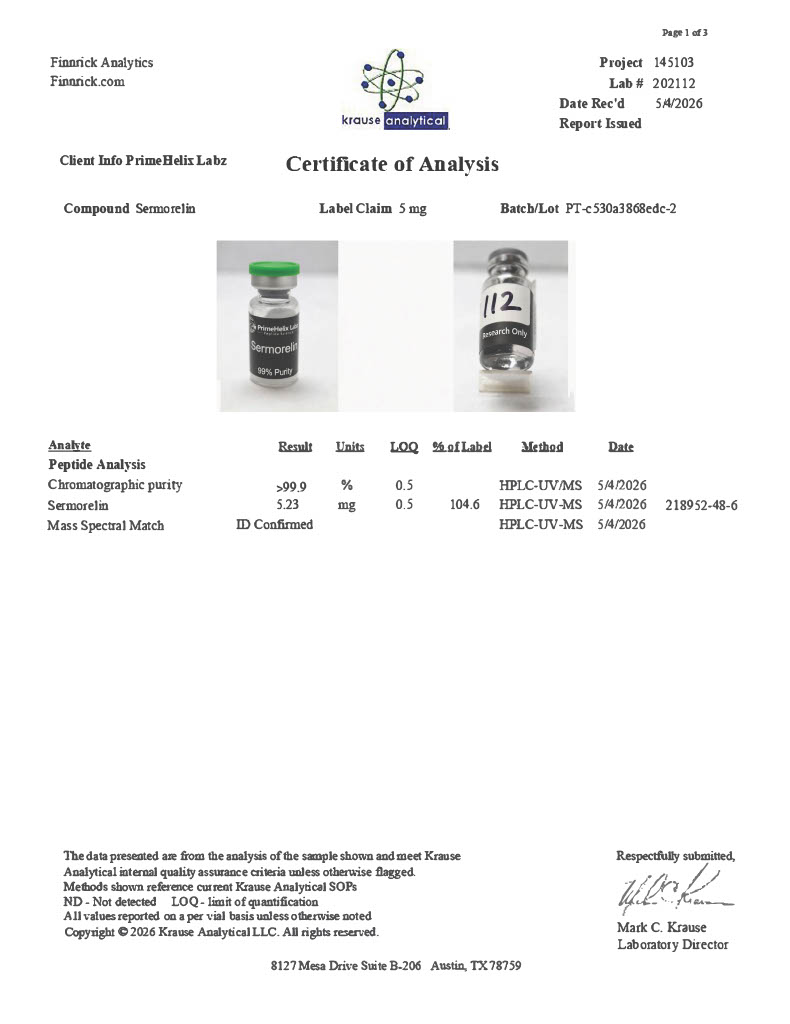
Certificate of Analysis (COA) images are provided for this product.
From verified buyers of Sermorelin 5mg
No reviews yet. Verified buyers can be the first to share their experience.